
Choosing the right cutting tool for harder materials.
How shops can balance tool life, surface finish, and productivity when materials get more demanding.
Read articleNewsletter
Featured Story

Featured Article
More production teams are looking for suppliers who can do more than fill an order. They need responsive support, dependable product access, and practical recommendations that keep work moving without overcomplicating the buying process.
Read Featured ArticleLatest Posts
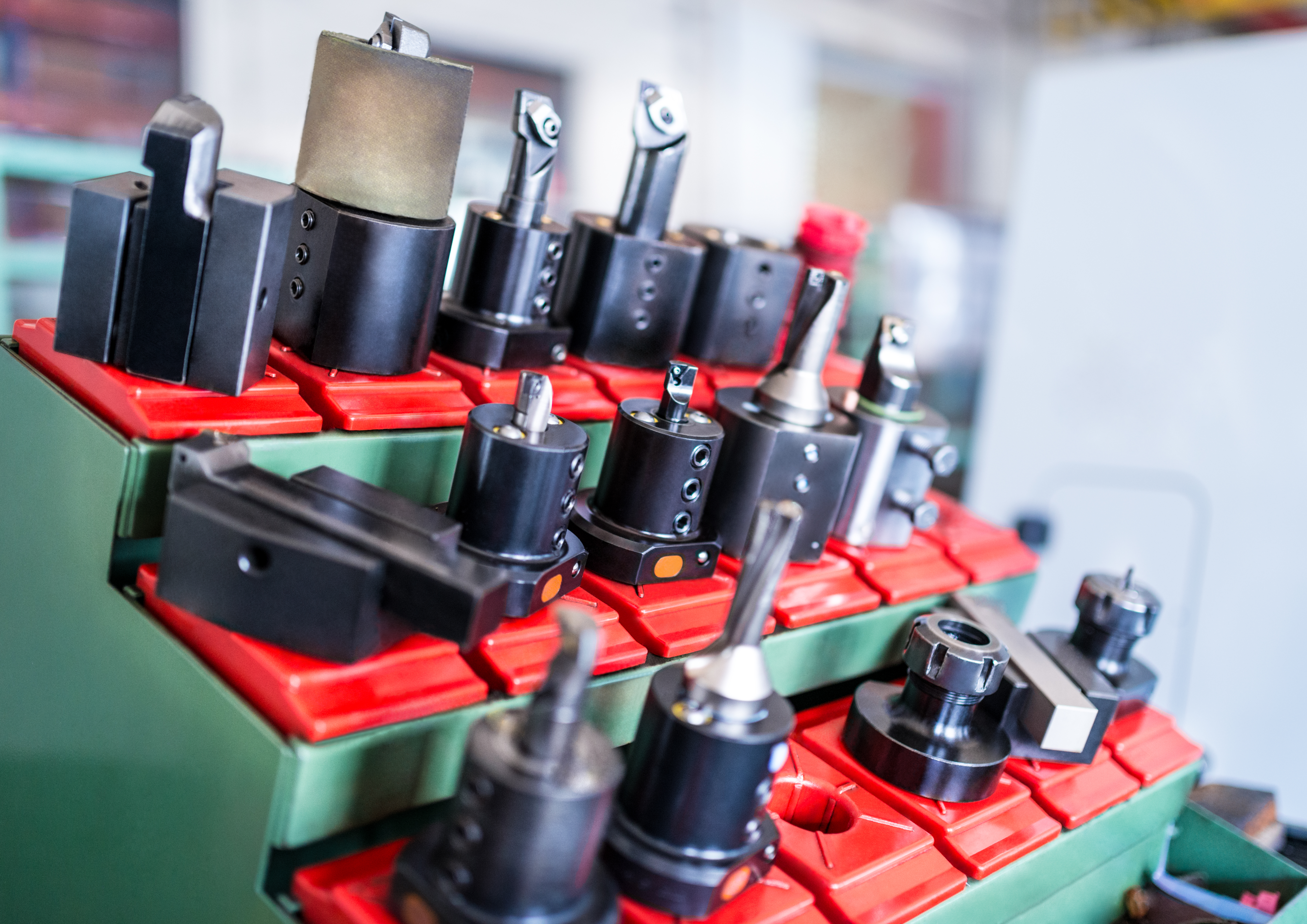
How shops can balance tool life, surface finish, and productivity when materials get more demanding.
Read article
Reliable sourcing starts with knowing what is available now and where flexibility matters most.
Read article
Coolants, abrasives, and support items are often the quiet drivers of more efficient daily production.
Read article
Good support is not louder sales language. It is faster answers, better fit, and fewer surprises.
Read articleFeatured · Insights
Faster sourcing, dependable tooling, and smarter inventory planning are shaping the year ahead for manufacturers across the Central United States.
Production teams are under more pressure than ever to keep machines running, jobs on schedule, and costs under control. In conversations with shops this year, one theme keeps coming up: the supplier relationship matters as much as the product itself. Teams want partners who can answer quickly, recommend the right tooling for the job, and help them plan inventory before shortages become downtime.
Faster sourcing is no longer a nice-to-have. When a cutter breaks mid-run or a measuring tool fails calibration checks, waiting days for a vague ship date can stall an entire cell. Shops are prioritizing distributors who know what is on the shelf, what can be staged quickly, and which alternatives still meet the print when the first-choice item is delayed.
Dependable tooling remains the foundation. Harder materials, tighter tolerances, and longer production runs leave less room for guesswork. Buyers are looking past catalog names alone and asking for application guidance—feeds and speeds ranges, coating options, holder compatibility, and when a premium tool actually pays for itself through fewer changeovers.
Smarter inventory planning ties it together. Instead of overstocking “just in case,” more operations want visibility into usage patterns, common replacements, and consumables that quietly keep the floor moving. A short list of high-velocity items, paired with a supplier who can replenish before bins go empty, often does more for uptime than a warehouse full of slow movers.
At Bicen Tool, that is the standard we work toward every day from Lexington: practical recommendations, responsive support, and access to the brands shops already trust—so the buying process stays simple and production stays on track.
Tooling
How shops can balance tool life, surface finish, and productivity when materials get more demanding.
Harder alloys, heat-treated stock, and abrasive stainless grades put real stress on cutting edges. The wrong tool may still “cut,” but it can leave poor finish, force conservative feeds, or burn through inserts before the job is profitable. Matching the tool to the material—and to the machine’s rigidity—is where most of the gains come from.
Start with the application, not the catalog page. Ask what matters most on this job: cycle time, edge life, or surface finish. A high-feed mill might move material quickly in a roughing pass, while a different geometry or coating may be the better choice for finishing. Carbide grade, helix, number of flutes, and coolant delivery all change the outcome once hardness and work-hardening enter the picture.
Tool life and productivity are a trade-off until the setup is dialed in. Running too aggressive shortens edges; running too cautious leaves capacity on the table. Shops that document successful combinations—speed, feed, depth of cut, and coolant—build a playbook that makes the next similar job faster to quote and safer to run.
Do not overlook the holder and workholding. Even a premium end mill underperforms with runout, weak clamping, or excessive stick-out. Stable setups let you use the cutting tool’s designed capability instead of backing off to compensate for vibration.
If your team is moving into tougher materials or seeing edges fail earlier than expected, Bicen Tool can help compare options across the brands we represent and point you toward tools that fit the cut, the machine, and the finish the print requires.
Supply
Reliable sourcing starts with knowing what is available now and where flexibility matters most.
Lead times fluctuate. Demand spikes without warning. A single delayed shipment can idle a spindle that was booked for the week. In that environment, inventory visibility—on your floor and through your supplier—becomes a competitive advantage, not a back-office detail.
Visibility starts with knowing what you actually use. Many shops carry duplicates of slow-moving SKUs while running out of the same inserts, taps, or abrasives every few weeks. A simple velocity review—what leaves the crib most often—usually reveals a short list of items that deserve tighter counts, clearer min/max levels, and a replenishment plan with your distributor.
The second piece is knowing what your supplier can support. “In stock somewhere” is not the same as “available for your job this week.” Clear communication on substitutions, packaging, and ship timing helps purchasing make decisions before the line is waiting. When an exact match is unavailable, a trusted partner who understands the application can often recommend an acceptable alternate without a full requalification scramble.
Flexibility matters most on the items that stop production when they go missing: common end mills, inserts for high-runner jobs, measuring tools that stay in calibration rotation, and consumables that keep secondary ops moving. Those deserve priority attention. Specialty tools can often be planned further ahead once the high-velocity list is under control.
Bicen Tool works with manufacturers who want that kind of clarity—practical stocking guidance, honest availability, and a Lexington-based team that treats your production schedule as seriously as you do.
Shop Support
Coolants, abrasives, and support items are often the quiet drivers of more efficient daily production.
Cutting tools get the attention—and they should. But shops lose hours every month to the smaller items that never make the quote: the wrong grinding disc, a coolant mix that is out of range, missing safety gear at a station, or fasteners and shop supplies that somehow always run out on a Friday afternoon.
Coolants and cutting fluids affect tool life, finish, and machine cleanliness. Concentration that drifts too lean can increase wear and corrosion risk; too rich can create residue and unnecessary cost. Consistent monitoring, the right product for the metal and process, and a refill habit that matches usage keep both the tool crib and the sump healthier.
Abrasives are another quiet lever. The correct disc, belt, or wheel shortens cleanup and secondary ops; the wrong one burns time, loads up, and leaves more rework. Matching grit, bond, and format to the material and the finish goal is a small decision that shows up in every part that leaves the bench.
Safety and support items belong on the same radar. Gloves, eyewear, shop towels, marking tools, and packaging materials rarely feel strategic— until a station stops because they are not there. Treating high-use consumables with the same min/max discipline as inserts prevents those small, expensive interruptions.
If your team wants help building a practical consumables list around real usage, Bicen Tool can help identify the items that keep the floor moving and keep them available without overloading the crib.
Partnership
Good support is not louder sales language. It is faster answers, better fit, and fewer surprises.
Every distributor can send a catalog. Fewer act like an extension of your purchasing and tooling teams. Better support shows up in the moments that matter: when a job is released late, when a print changes mid-run, or when a tool that “should work” is not delivering the finish or life you need.
Faster answers come first. Shops do not need another portal that takes three days to reply. They need a person who understands industrial tooling, can check availability, and will follow through until the order is clear. Responsiveness turns a potential delay into a solved problem before the shift ends.
Better fit means recommendations tied to the application. That includes asking about material, machine, holder, and tolerance— then suggesting a tool or brand that matches the work instead of pushing whatever is easiest to ship. When the first choice is unavailable, a good partner explains the trade-offs of an alternate instead of hoping nobody notices.
Fewer surprises is the long game. Clear lead times, honest stock status, consistent packaging, and help planning recurring needs all reduce the fire drills that eat into a buyer’s week. Over time, that reliability is worth more than a one-time discount that disappears when the next shortage hits.
Since 1976, Bicen Tool has built its reputation in Lexington on that kind of partnership—serving manufacturers, fabricators, and professionals who depend on precision every day. If you want a supplier that shows up with answers, not just invoices, our team is ready to help.
Stay Connected
Reach out to our team to learn more about products, represented brands, and future newsletter updates.